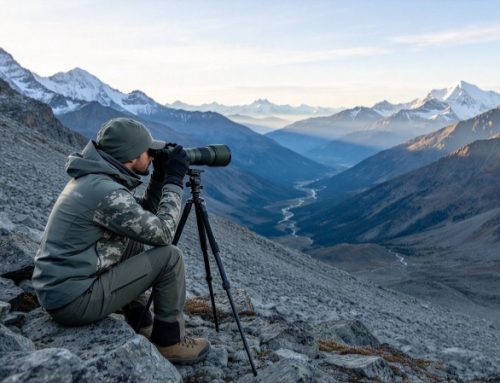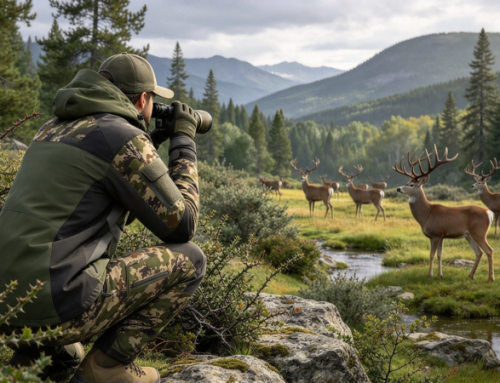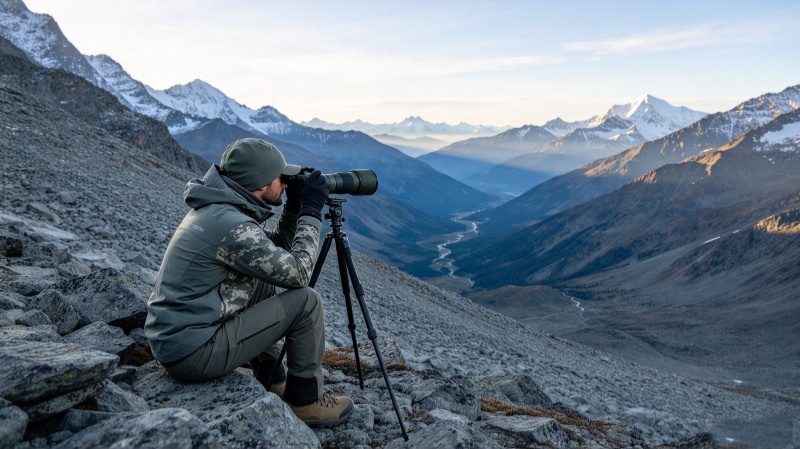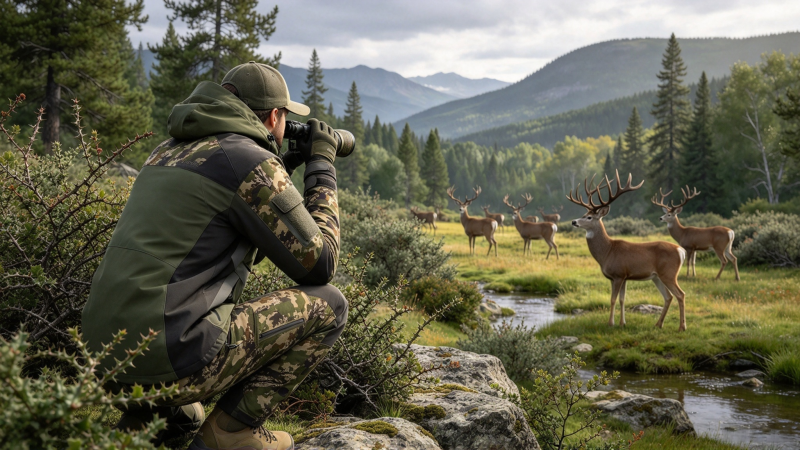
Duck hunting brings some of the harshest and most changeable conditions any outdoor enthusiast will face. Hunters spend long hours sitting motionless inside cold, damp blinds, trudge through muddy marshland to arrange decoys, and raise shotguns quickly when flocks fly within range. A quality duck-hunting jacket must deliver reliable weather protection without sacrificing quiet movement or all-day comfort. Too many hunters select heavy, stiff outerwear that creates distracting noise, restricts shooting motion, or traps sweat against skin. The right jacket directly improves your hunting experience and field performance. This buying guide covers essential technical standards, comfort-driven design elements, and practical real-world advice for choosing men’s duck-hunting outerwear built for marsh and wetland environments.
BOWINS Garment,as a leading duck hunting clothing factory and waterfowl hunting clothing manufacturer,offers OEM and ODM service for global hunting wears brands. We specialized in manufacturing custom ski clothing in a wide range of size and fit for customers worldwide with 17+ years industrial experiences.This article focuses on the research of different types of Top The Best Men’s Duck Hunting Jacket for Comfort and Performance,for your reference.
1. Core Performance Standards for Duck-Hunting Jackets
Waterfowl jackets must withstand damp marshes, shifting temperatures, and repeated moisture exposure. Real-world performance depends on fabric specifications rather than visual appearance alone. Three non-negotiable benchmarks should shape every hunter’s purchasing decision.
1.1 Waterproof and Wind-Resistant Protection
Marsh hunting mornings regularly bring heavy dew, light rain, and sharp, bone-chilling wind. Solid waterproof performance ranks highest on the feature list for duck-hunting outer shells. High-grade hunting jackets combine durable water-repellent (DWR) surface finishes with functional waterproof membranes. Fully taped seams stop water from seeping through stitch holes, a common failure point found on budget-priced hunting apparel. Wind resistance works hand-in-hand with waterproofing, cutting wind chill and preventing rapid heat loss during hours of stationary waiting inside blinds.
It is important to understand limitations. DWR surface coatings slowly degrade after repeated abrasion and washing. Periodic re-treatment will restore water-beading performance over multiple seasons. Avoid jackets that only advertise water-repellent properties without fully taped seams if you frequently hunt in rainy or heavily dewy wetland settings.
1.2 Silent, Abrasion-Resistant Shell Material
Noise is one of a duck hunter’s greatest disadvantages. Ducks possess extremely sensitive hearing; crinkly, noisy fabric can scare flocks away before you have an opportunity to take a shot. Premium duck-hunting jackets use soft, quiet shell textiles that minimize rustling sounds during arm movement, crawling, or shifting position within a blind.
Abrasion resistance holds equal importance. Hunters constantly brush against sharp marsh reeds, rough blind frames, and tangled brush. Mid-to-high-denier woven fabrics strike a practical balance between quietness and long-term durability. Thin, low-cost nylon may remain quiet but tears easily in rough field conditions, while overly thick canvas creates excessive noise and unwanted bulk. Prioritize fabrics engineered and tested specifically for waterfowl-hunting applications.
1.3 Breathability for Variable-Activity Hunts
Breathability is frequently overlooked when hunters compare technical outerwear. Duck hunting creates conflicting physical demands: you sit still and grow cold for hours, then suddenly generate large amounts of body heat carrying decoys, wading through shallow water, or retrieving harvested birds. Non-breathable waterproof shells trap perspiration next to your skin. Once you stop moving, damp inner clothing quickly pulls heat away from your body.
Quality duck-hunting jackets pair waterproof barriers with moisture-vapor permeability. Pit-zip side vents represent a highly valuable feature. Hunters can unzip these vents to release excess heat without fully removing their outer shell. Well-balanced breathability keeps you dry from both external rain and internal sweat through wide shifts in activity level.
2. Comfort-Centered Design Features for Long-Day Hunting
Even impressive technical performance loses value if your jacket becomes uncomfortable halfway through a day in the blind. True comfort comes from intentional fit, adjustable hardware, smart insulation choices, and patterns built around real duck-hunting body positions and movements.
2.1 Optimized Fit and Articulated Mobility
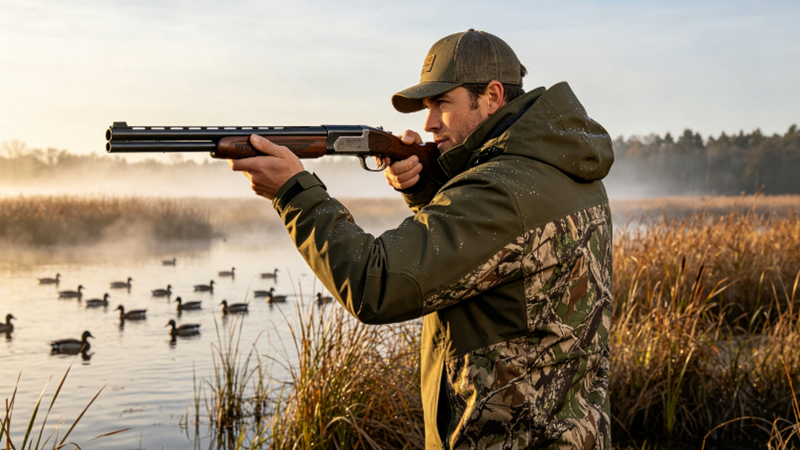
A well-fitted duck-hunting jacket creates enough internal space for base and mid-layer garments, yet avoids overly baggy cuts that catch wind and snag on wetland vegetation. Too tight, and you cannot comfortably raise and shoulder your shotgun. Too loose, and excess fabric hinders movement and creates extra noise. Articulated sleeves with pre-curved elbow panels support natural arm motion for aiming and reloading firearms.
Many seasoned waterfowl hunters also seek jackets compatible with neoprene waders. A slightly extended rear hem prevents cold water from running down your back when kneeling or sitting inside flooded blinds. Always test arm mobility while simulating shooting movements when evaluating hunting jackets, rather than judging fit only while standing still.
2.2 Modular Insulation System for Seasonal Flexibility
Duck-hunting seasons cover broad temperature ranges. Early-autumn hunts can feel relatively mild, while late-season outings bring near-freezing wind and frost. Modular insulation systems deliver year-round comfort for changing conditions. Some jackets include fully removable insulated liners. Others use zone-based synthetic insulation, placing heavier fill across the torso while keeping sleeve material lighter for improved mobility.
Synthetic insulation outperforms down for waterfowl hunting environments. Synthetic fill still preserves thermal performance when damp. Goose-down insulation collapses and loses nearly all warmth once it absorbs moisture. Lightweight insulation between 60 g and 100 g works well for moderate early-season hunts. Frigid late-season days call for higher-loft insulating layers worn beneath your outer shell jacket.
2.3 Adjustable Cuffs, Hood and Hem
Small adjustable details greatly improve all-day comfort in the marsh. Hook-and-loop or elastic cuffs seal out cold wind and block dew from running down your wrists while you hold a shotgun. A hunting-optimized hood must fit comfortably over beanies without restricting peripheral vision. Look for hoods equipped with multi-point drawcords. These allow you to tighten the hood securely during wind gusts without limiting head movement.
A drawstring-adjustable hem locks heat inside the jacket and stops cold wind from blowing upward underneath your outer layer. Poorly designed hoods and hems represent one of the most frequent complaints among active duck hunters. Even high-quality fabric can become frustrating to use in the field if adjustable components function poorly.
3. Functional Utility and Practical Hunting-Focused Details
Beyond weather resistance and wearing comfort, the best duck-hunting jackets integrate storage solutions, concealment features, and construction details created specifically for waterfowl-hunting pursuits.
3.1 Purpose-Built Pocket Layout
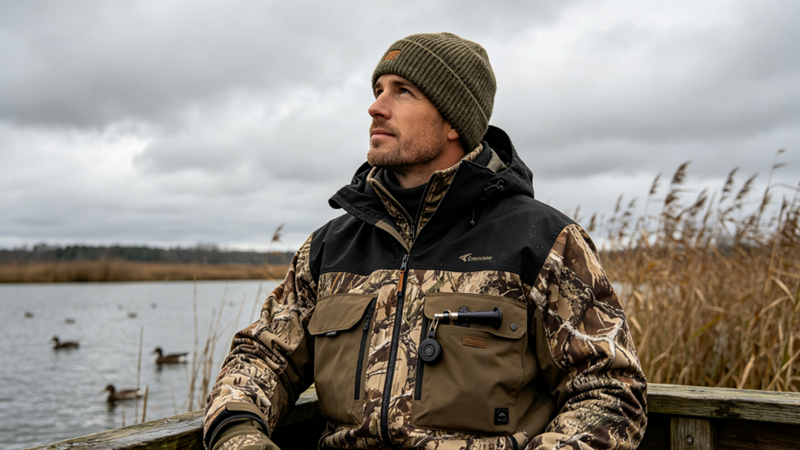
General outdoor hiking jackets feature pocket arrangements unsuitable for duck-hunting requirements. Waterfowl hunters need reliable, quick-access storage for shotgun shells, duck calls, gloves, face coverings, multi-tools, and mobile phones. Large fleece-lined hand-warmer chest pockets deliver welcome warmth during long stationary waits inside cold blinds. Dedicated shell holder pockets allow fast ammunition access without fumbling deep inside cargo compartments.
Water-resistant zippers protect phones and electronics from dew and water splashes. Avoid pocket placements where the shotgun stock rubs against fabric during aiming. Magnet-operated pocket openings have grown popular among waterfowl enthusiasts. They open quickly and silently, producing none of the zipper noise that can alert nearby ducks to human presence.
3.2 Wetland-Optimized Camouflage Concealment
Camouflage is far more than decorative styling. Effective camo patterns blend with marsh-specific surroundings: tall wetland grass, mud flats, flooded timber, and overcast open-water backgrounds. Generic forest camouflage patterns perform poorly within duck blinds. Purpose-built waterfowl patterns mix varied shadow and light tones to break up the human silhouette as flying ducks view you from above.
Some jackets offer reversible camouflage fabric for switching between different habitat settings. Always remember local hunting-safety regulations. Many jurisdictions require small blaze-orange safety accents on hunting outerwear to maintain visibility for other hunters nearby.
3.3 Long-Term Durability and Easy Maintenance
Your duck-hunting jacket will regularly encounter mud, standing marsh water, plant debris, folding, and repeated cleaning. Overall build quality directly determines usable service life. Look for reinforced stitching across high-stress zones: elbows, pocket openings, and hood attachment points. Heavy-duty zippers resist jamming caused by mud and fine grit picked up in the marsh. Read customer feedback to learn about common real-world failures such as zipper breakdown or seam leakage after multiple hunting seasons.
Simple maintenance also matters. You will routinely need to wash mud and plant residue off your garment. Always follow manufacturer care instructions to preserve membrane integrity and DWR water-repellent treatment. Harsh household laundry detergents rapidly degrade waterproof outerwear finishes. Investing in a well-constructed jacket reduces long-term costs compared to replacing low-budget outerwear every one or two hunting seasons.
4. Final Thoughts
Choosing the best men’s duck-hunting jacket balances three core pillars: robust weather-fighting performance, reliable all-day comfort, and hunting-specific practical functionality. Prioritize fully taped-seam waterproof construction, quiet abrasion-resistant shell fabrics, and built-in ventilation features. Never overlook fit and adjustable hardware. Restricted movement or persistent cold drafts can ruin hunting trips regardless of impressive fabric specifications.
Consider your most common hunting environments. Mild early-season marsh hunts demand different insulation levels compared to freezing late-weather outings. Evaluate products based on real-world field requirements instead of marketing claims. When you focus on actual hunter needs, you can select a jacket that keeps you concealed, comfortable, and prepared for success every time flocks of waterfowl come within shooting distance.