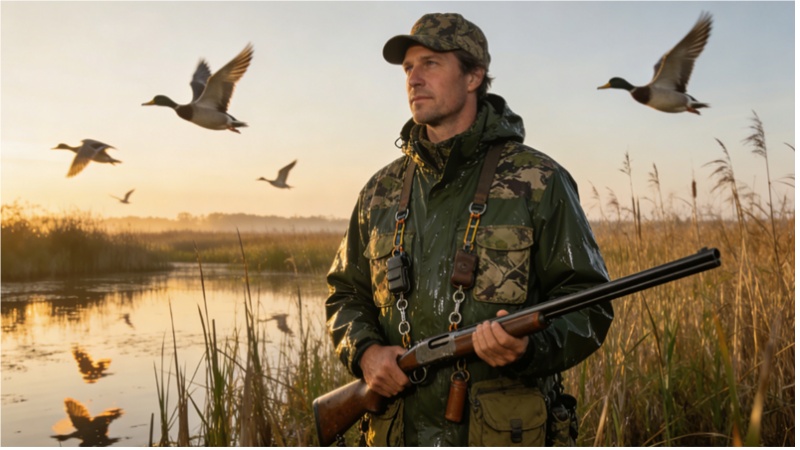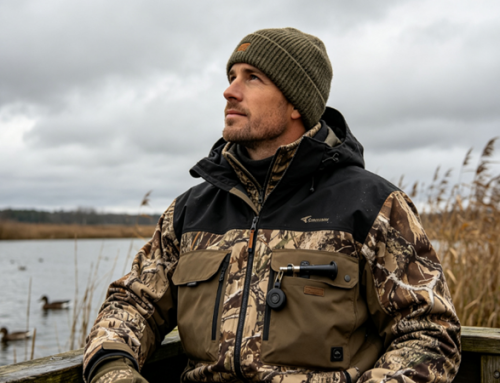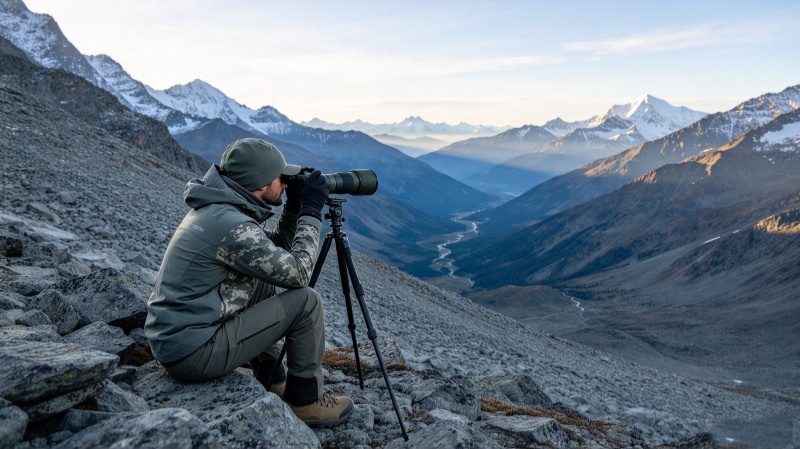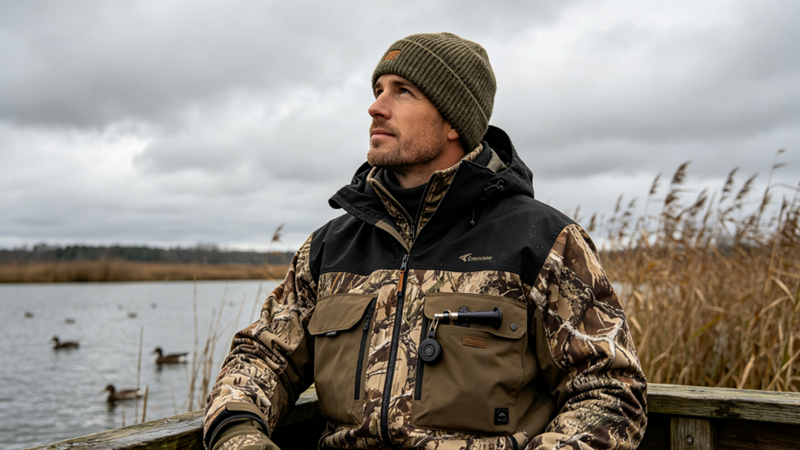
For dedicated duck hunters, few experiences match the quiet intensity of an early morning sit in the marsh. Before the sun creeps over the treeline, temperatures plummet, dew and light mist soak every surface, and cold wind cuts through thin layers like a knife. Unlike midday hunts that involve walking, setting decoys, or constant movement, early morning duck blinds demand long periods of stillness—often 60 to 90 minutes without shifting—where staying warm, dry, and undetected can make or break your hunt. A generic hunting jacket simply won’t cut it; you need a specialized coat built explicitly for the unique challenges of pre-dawn waterfowl hunting: targeted warmth without bulky restriction, reliable waterproofing against dew and light rain, quiet fabric to avoid spooking wary ducks, and functional details that enhance comfort during stationary sits. This guide breaks down the critical features to prioritize, top coat categories for early morning conditions, and expert tips to choose the perfect option that will keep you focused on incoming flocks, not shivering in the blind.
BOWINS Garment,as a leading hunting wear factory and hunting coat manufacturer,offers OEM and ODM service for global hunting clothing brands. We specialized in manufacturing custom hunting clothing in a wide range of size and fit for customers worldwide with 17+ years industrial experiences.This article focuses on the research of different types of Finding The Best Duck Hunting Coat for Early Morning Sits,for your reference.
1. Key Non-Negotiable Features for Early Morning Duck Hunting Coats
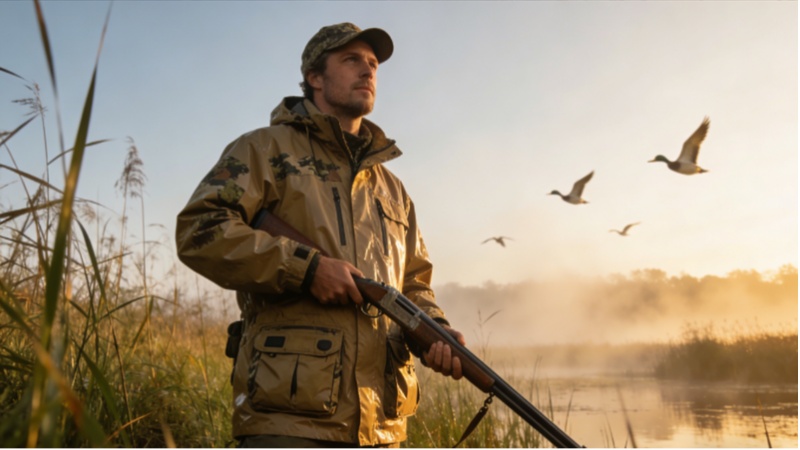
Early morning hunts present a one-of-a-kind set of environmental hurdles: near-freezing temps, high humidity, light precipitation, and the need for complete stealth. Every feature on your hunting coat should address these pain points directly, prioritizing function over flash. Below are the core attributes that separate average jackets from elite early morning hunting coats.
1.1 Targeted, Low-Bulk Insulation
When sitting completely still for hours, your body generates minimal heat, so insulation is non-negotiable—but bulk is a dealbreaker. Heavy, oversized insulation restricts shoulder movement for quick shotgun mounts and traps sweat once the sun rises, leading to chills later. The best early morning coats use body-mapped synthetic insulation, like PrimaLoft Silver or Gold, which delivers consistent warmth even when slightly damp and stays lightweight. Look for 100–200g of insulation in the core (torso and chest) to lock in vital body heat, with thinner 80–100g insulation in the sleeves and underarms for unrestricted movement. Avoid down insulation for pre-dawn sits; while warm, down loses all insulating power when exposed to dew or mist, making it impractical for damp marsh conditions. Synthetic insulation is water-resistant, quick-drying, and far more reliable for the consistent moisture of early mornings.
1.2 Quiet, Waterproof & Windproof Outer Shell
Wary early morning ducks have sharp senses, and loud, crinkly fabric will send flocks veering away from your blind before they even enter range. A high-quality early morning coat features a soft, silent outer shell—usually a brushed polyester, ripstop softshell, or quiet nylon blend—with zero noisy plastic or stiff canvas materials. Equally important is 10,000mm+ waterproof rating with fully taped seams to block dew, light rain, and marsh splashes, paired with a windproof membrane to stop cold gusts that penetrate unprotected layers. Many top models use breathable waterproof technologies like GORE-TEX PacLite or proprietary storm shells, which prevent internal condensation while keeping external moisture out. This balance is critical: you need protection from the elements without trapping sweat against your skin during those first hours of stillness.
1.3 Stealth & Comfort-Focused Design Details
Small, thoughtful features elevate a good coat to a great one for early morning sits. Prioritize coats with fleece-lined hand warmer pockets positioned above wader lines, so you don’t have to reach below water level to warm cold hands; these pockets should have quiet magnetic or Velcro closures instead of loud zippers. A snug, adjustable hood with a low profile is essential to block wind and dew without obstructing your vision or making noise when adjusted. Look for neoprene or adjustable cuffs that seal tightly around wrists to prevent cold air and moisture from seeping in, plus a high, fleece-lined collar that zips up to your chin to protect your neck and face from biting wind. Camo patterns tailored to marsh or wetland environments (like Mossy Oak Shadow Grass or Optifade Waterfowl) are also a must for early morning concealment, as ducks fly low and spot bright or mismatched colors instantly.
2. Top Coat Categories for Early Morning Duck Hunting Sits
Not all early morning hunts are the same—conditions vary from cool, damp fall mornings to frigid late-season pre-dawn sits. Choosing the right coat category based on your local climate and typical hunt conditions ensures you stay comfortable without overheating or underdressing. Below are the three most effective coat types for early morning waterfowl hunting, each designed for specific temperature ranges and weather scenarios.
2.1 Mid-Weight 3-in-1 Hunting Jackets (Versatile All-Condition Option)
For most duck hunters across North America, a 3-in-1 hunting jacket is the gold standard for early morning sits, offering unmatched versatility for fluctuating fall and early winter conditions. These coats feature a waterproof, windproof outer shell with a removable insulated liner, allowing you to customize warmth based on the morning temperature. On milder early mornings (40–50°F), wear just the outer shell to block dew and wind without overheating; on colder mornings (25–40°F), zip in the liner for extra core warmth. Top models like the Drake Waterfowl BMF 3-in-1 Pit Jacket and Browning Wicked Wing 3-in-1 Parka are built with silent shell fabric, sherpa fleece liners, and multiple stealth pockets, making them perfect for long still sits. The 3-in-1 design also eliminates the need for multiple layers, reducing bulk and keeping your shoulder movement free for quick shots when ducks finally arrive.
2.2 Lightweight Softshell Bottomland Camo Hunting Gear (Mild Early Mornings)
If you hunt in southern regions or early fall where early morning temperatures hover between 35–50°F with minimal wind, a lightweight insulated softshell coat is the ideal choice. These coats are thinner than 3-in-1 models but still offer 80–100g of synthetic insulation, a water-resistant softshell exterior, and maximum breathability. They’re perfect for hunters who run cold easily but don’t need heavy insulation, as they trap just enough heat for still sits while preventing sweat buildup once the sun rises. Softshell coats are ultra-quiet, flexible, and lightweight, so they won’t weigh you down during pre-dawn decoy setups or long waits in the blind. Look for models with a DWR (Durable Water Repellent) coating to shed dew and light mist, and a slim fit that layers easily under a wader jacket if needed. The Drake ¼ Zip Refuge Eqwader Jacket is a top pick in this category, with a waterproof upper body and breathable lower panel to balance warmth and ventilation.
2.3 Heavy-Duty Insulated Parkas (Frigid Late-Season Mornings)
For late-season duck hunts in northern states and Canada, where early morning temperatures drop below 25°F and wind chills reach dangerous levels, a heavy-duty insulated parka is non-negotiable. These coats are built with 200–300g of high-loft synthetic insulation, fully windproof and waterproof membranes, and extended length to cover your hips and upper thighs for extra warmth during stationary sits. Top models like the Sitka Duck Oven Jacket and Aves Bering Kinetic Jacket feature hybrid insulation systems (thicker in the core, thinner in the sleeves) and windproof technology like GORE WINDSTOPPER to block arctic-level gusts. While bulkier than other options, modern heavy-duty parkas avoid restrictive fabric, with articulated elbows and shoulder panels that allow for a full, quick shotgun mount. Fleece-lined hoods, double-layered cuffs, and oversized hand warmers make these parkas perfect for the coldest early morning sits, where staying warm is the top priority.
3. How to Choose the Perfect Coat for Your Early Morning Hunts
With so many great options on the market, narrowing down your choice comes down to three key factors: your local climate, hunting style, and fit. Picking the wrong coat for your conditions will lead to discomfort, distraction, and missed opportunities, so take the time to assess your specific needs before investing. These final tips will help you make a confident, practical choice.
3.1 Match Insulation to Your Local Early Morning Temperatures
The biggest mistake hunters make is choosing a coat that’s either too heavy or too light for their typical early morning conditions. Start by checking average pre-dawn temperatures during your hunting season: 35–50°F calls for a lightweight softshell; 25–40°F needs a mid-weight 3-in-1; below 25°F requires a heavy-duty parka. Also, consider humidity and wind: marshy, windy areas need a fully windproof shell even in milder temps, while drier inland areas can get away with a water-resistant softshell. Remember that still sitting means you won’t generate body heat, so err slightly on the warmer side—but never so warm that you sweat when setting up decoys before sunrise, as damp clothing will lead to chills mid-hunt.
3.2 Prioritize Fit for Mobility & Concealment
Fit is critical for early morning duck hunting coats. A coat that’s too tight restricts shoulder movement and compresses insulation, reducing warmth; a coat that’s too baggy catches wind, creates noise when you shift, and can snag on blind materials or decoys. Look for a trim, athletic fit with articulated shoulders and elbows that allows you to raise your shotgun smoothly without pulling or twisting. Make sure the coat length hits just above your wader belt to avoid getting soaked while sitting in a marsh blind, and that the hood fits snugly over a baseball cap or beanie without blocking your peripheral vision. Always try on coats with the layers you typically hunt in (base layer, mid-layer) to ensure a proper fit—don’t size up for extra warmth, as this creates dead air space that reduces insulation efficiency.
3.3 Invest in Durability & Brand Reliability
An early morning duck hunting coat is a long-term investment, so choose a model built to withstand harsh marsh conditions, repeated use, and rough handling. Look for reinforced seams, heavy-duty zippers (YKK zippers are the industry standard), and ripstop fabric that resists tears from brush, blind material, and hunting gear. Stick with reputable waterfowl-focused brands like Sitka, Drake Waterfowl, Browning, and Kuiu—these companies design coats specifically for duck hunters, testing them in real early morning marsh conditions to refine stealth, warmth, and durability. While premium coats come with a higher price tag, they last for multiple seasons and perform far better than budget alternatives, making them worth the investment for serious waterfowl hunters.
4. Final Thoughts
Early morning duck sits are as much about endurance as they are about skill, and the right coat turns a miserable, shivering wait into a comfortable, focused hunt. By prioritizing targeted insulation, silent waterproof fabric, and hunter-specific design details, you’ll find a coat that works with you through every pre-dawn minute, keeping you warm, dry, and ready to take the perfect shot. Whether you opt for a versatile 3-in-1 jacket, a lightweight softshell, or a heavy-duty parka, choosing a coat built for early morning conditions will elevate your hunting game and make those cold, quiet mornings in the marsh far more enjoyable.